Why Everyone Seems So Tense at Airports?
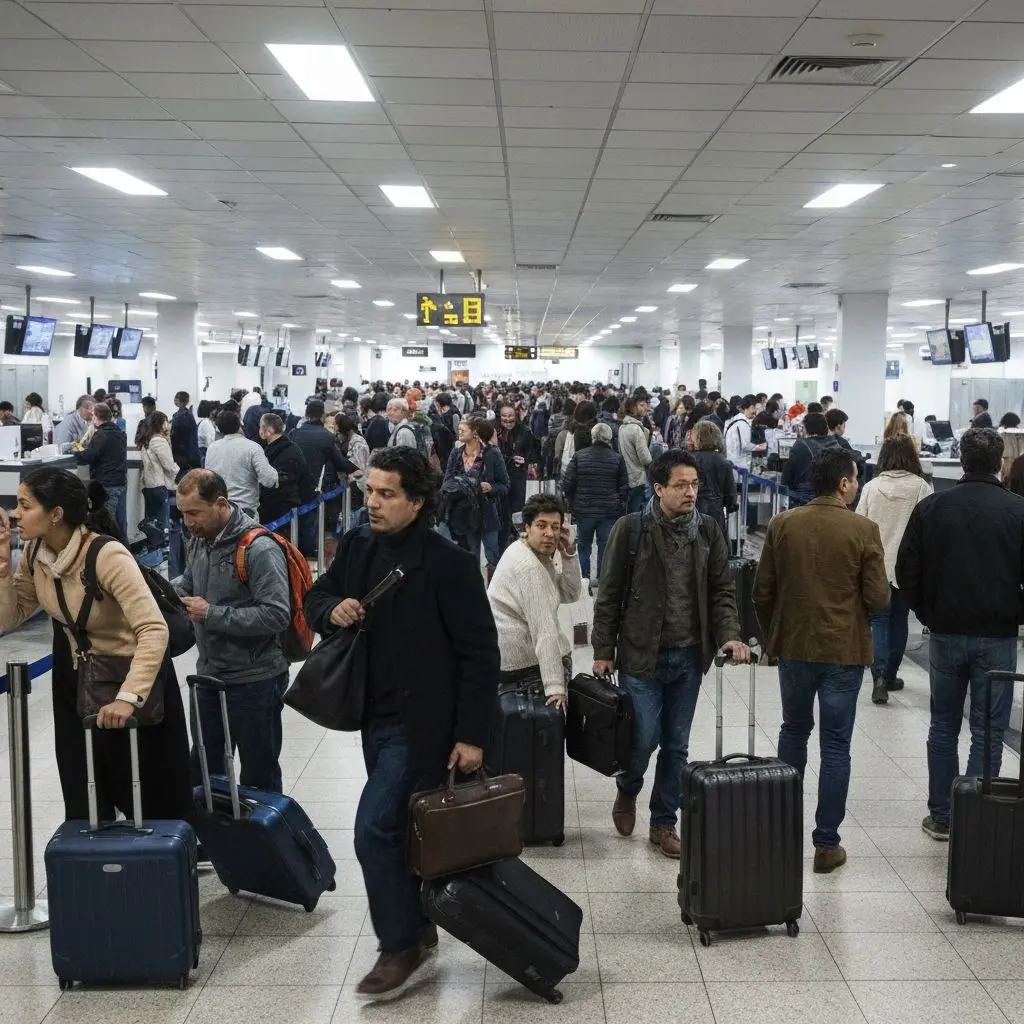
Airports are some of the most stressful places in modern life, and it's not because people suddenly forget how to behave. It's because airports quietly press on several human pressure points at the same time.
The Loss of Control
In everyday life, most of us are in charge of our own timing and decisions. At an airport, that control disappears. Gates change, announcements interrupt your thoughts, and everything moves according to someone else's schedule. Even if nothing goes wrong, that background feeling of not being in control slowly raises stress levels.
Time Pressure and the Fear of Missing Out
Then there's time pressure. The fear of missing a flight, a connection, or an important moment on the other side of the journey lives in everyone's head. People start worrying before there's even a real problem. A small delay, a long line, or a last-minute gate change can quickly turn into visible frustration.
Security Procedures and Psychological Defense
Security procedures add another layer. Being searched, scanned, and watched — even when you've done nothing wrong — can make people feel oddly defensive. Psychologically, constant checks create a subtle sense of guilt without guilt, especially for travelers who don't fly often.
Physical Discomfort's Hidden Role
Physical discomfort plays a bigger role than we like to admit. Early mornings, little sleep, heavy bags, hunger, and dehydration all lower patience. Things that wouldn't normally bother us suddenly feel personal. Your body is already stressed before any actual airport conflict occurs.
Emotional Transition Zones
Airports are also emotional transition zones. Some people are traveling for happy reunions, others for difficult goodbyes, funerals, or responsibilities they wish they could avoid. All of those emotions share the same waiting areas, queues, and boarding gates.
Anonymity and Loosened Social Filters
And finally, airports are deeply anonymous spaces. You're surrounded by strangers you'll never see again. That anonymity can loosen social filters and make tempers shorter. When no long-term social consequences exist, small frustrations surface more easily.
Understanding the Environment
So when you notice tension in an airport, it's usually not about bad manners or bad people. It's about an environment designed around movement, control, and uncertainty — not comfort. The airport is engineered for efficiency, but human psychology wasn't designed for its pressures.
Finding Peace in the Terminal
Staying calm at an airport isn't just about catching a flight. It's about keeping some distance from the collective stress moving through the terminal with you. Being aware of these psychological factors can help you stay grounded and patient, even when chaos surrounds you.